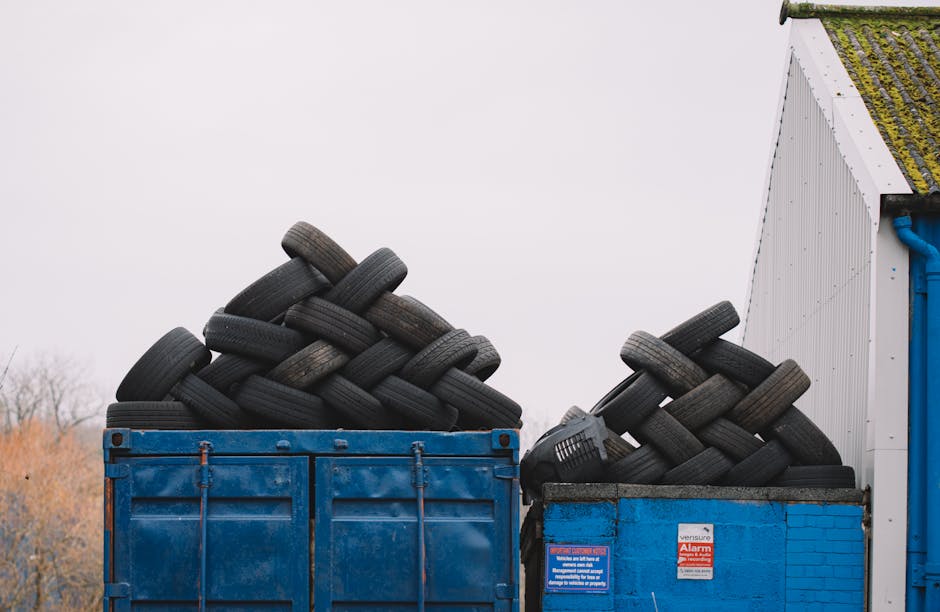
Insider tips to reduce commercial rubbish costs in Hitchin

If your waste bill feels like it keeps creeping up for no obvious reason, you are not imagining it. Commercial rubbish costs in Hitchin can rise quietly through overfilled bins, poor sorting, missed collections, and charges that were never made very clear in the first place. The good news? A few small changes can make a proper difference. This guide shares insider tips to reduce commercial rubbish costs in Hitchin without making your team's life harder, and without cutting corners on compliance.
Whether you run a shop near the town centre, manage an office, or oversee a trade site with mixed waste streams, the aim is the same: pay for less waste, move less air, and keep disposal simple. Sounds obvious, doesn't it? Yet that is exactly where many businesses leak money.
Why Insider tips to reduce commercial rubbish costs in Hitchin Matters
Commercial waste is one of those overheads that rarely gets attention until the invoice lands and everyone does that awkward little pause. In Hitchin, where many businesses operate on tight margins and limited space, rubbish costs can quickly become a drag on cash flow. A back alley bin store, an overfull yard, or a weekly collection that is bigger than it needs to be all add up.
Reducing waste costs is not just about finding the cheapest provider. To be fair, the lowest headline price is often not the cheapest outcome once contamination fees, missed lifts, emergency clearances, and oversized containers get involved. The real win comes from understanding what you are paying for, then trimming waste at the source.
For local businesses, the gains are practical: less clutter, fewer collections, more predictable budgeting, and a cleaner site. There is also a reputational angle. Customers and staff notice tidy premises. It is the kind of detail that quietly says, "we've got this under control."
And yes, it can be surprisingly local. A bakery, a builders' merchant, a small office, and a retail unit all produce different waste profiles. If you treat them all the same, you usually pay more than you need to. That is the bit many businesses miss.
How Insider tips to reduce commercial rubbish costs in Hitchin Works
At the simplest level, your waste cost is shaped by four things: how much you produce, what type of waste it is, how often it is collected, and how easy it is to handle. If any one of those is inefficient, the bill tends to climb.
Most commercial waste providers use some combination of container size, collection frequency, waste stream type, labour, and disposal route to calculate pricing. Heavy mixed waste costs more than clean segregated recyclables. Bulky items cost more than compact waste. And awkward access can add labour time. You get the picture.
For many Hitchin businesses, the best savings come from reworking the routine rather than chasing a dramatic switch. For example, an office that separates cardboard and paper cleanly may be able to move to fewer mixed-waste collections. A shop that folds down packaging before disposal can reduce bin overflow and collection frequency. A trade site that keeps inert waste separate from mixed rubble can avoid paying mixed-load prices for everything.
There is also a difference between scheduled collections and one-off clearances. Scheduled collections suit consistent waste volumes. One-off waste removal, like after an office fit-out or stockroom clearout, can be more cost-effective than paying to keep an oversized bin around all year. A sensible provider should help you match the service to the waste pattern, not just sell you a standard package and call it a day.
Key Benefits and Practical Advantages
The obvious benefit is lower spend. But the real value of better waste management shows up in several places at once.
- Lower recurring costs: Smaller or better-planned collections can trim monthly bills without disrupting operations.
- Fewer surprise charges: Cleaner sorting and clearer service terms reduce contamination and overfill issues.
- Better site efficiency: Less waste lying around means better movement in stockrooms, yards, and loading areas.
- Improved staff habits: A simple waste system is easier for teams to follow, which matters more than people think.
- Stronger sustainability story: Recycling and reuse can support broader environmental goals, especially for customer-facing businesses.
- Less admin stress: When collections are right-sized, you spend less time chasing problems and more time running the business.
One very real advantage is predictability. Businesses often accept waste costs as "just one of those things," then wonder why they drift every few months. Tightening the process gives you a firmer grip on budgeting. That alone can be worth the effort.
Practical summary: the cheapest waste setup is rarely the one with the lowest headline quote. It is the one where waste is sorted properly, collections match real volumes, and nobody is paying extra because the bin was full of the wrong stuff.
Who This Is For and When It Makes Sense
This approach makes sense for almost any business producing regular waste, but it is especially useful if you recognise any of the following situations:
- You have more than one waste type and nobody is fully sure what goes where.
- Your bins are regularly half empty or, the other way round, always overflowing.
- You have had unexpected charges on waste invoices.
- Your team complains that waste storage is cramped or messy.
- You run a seasonal business and your waste volume changes a lot through the year.
- You are moving premises, refurbishing, or taking on a new site.
It is also useful for businesses that are busy but small. A cafe with a tiny yard can be just as vulnerable to waste inefficiency as a larger warehouse. In some cases, the smaller the space, the more important it is to plan carefully. Nobody enjoys squeezing a cardboard bale into a corner next to the milk deliveries at 7:30 in the morning.
If your current arrangement "sort of works" but always feels a bit fragile, that is usually a sign there is savings to be found. Not always huge savings. But meaningful ones? Quite possibly, yes.
Step-by-Step Guidance
Here is a practical way to tackle commercial rubbish costs without turning the whole thing into a project nobody wants.
- Review your last three invoices. Look for recurring patterns, uplift charges, contamination fees, extra collections, or any line that seems to appear only when people stop paying attention.
- Measure what you actually throw away. Estimate the volume and type of waste produced over a normal week. Even a simple visual audit is better than guessing.
- Separate waste streams properly. Cardboard, paper, food waste, general waste, recyclable packaging, and bulky items should not all be treated the same. The cleaner the sorting, the better the pricing potential.
- Match collection frequency to real need. Some businesses need more frequent collections during peak periods and fewer during quieter weeks. A fixed plan may be convenient, but not always efficient.
- Reduce waste at source. This can mean ordering stock more carefully, reusing packaging internally, switching to returnable containers, or simply storing materials better so they do not get damaged.
- Train staff on the basics. A couple of clear signs and a five-minute briefing can save a surprising amount over time. People are busy; make it easy.
- Discuss container size and access. If a smaller bin, a different pickup day, or easier access would reduce labour or collection frequency, ask about it.
- Use one-off clearances for unusual jobs. If you are clearing old stock, office furniture, or refurbishment debris, a planned clearance can be more sensible than forcing it into your standard waste contract.
One simple trick: walk your waste area at the end of the day and again first thing the next morning. You can often see the problem instantly. Overflowing bags, crushed boxes, the odd item that should have gone elsewhere. It's a small habit, but it reveals a lot.
Expert Tips for Better Results
If you want to go beyond the obvious fixes, these are the details that tend to make the real difference.
1. Focus on contamination first
Contamination is one of the fastest ways to turn a reasonably priced waste stream into an expensive headache. A load of recyclable cardboard mixed with general rubbish can lose value fast. The fix is not complicated, but it does need consistency. Keep the sorting system simple enough that staff can use it when they are busy, tired, or half-way through a delivery run.
2. Do not pay for air
A bin that is full of loose, unflattened boxes can look full long before it really is. Compact waste where safe and sensible. Flatten cardboard. Break down packaging. Stack similar items together. It sounds minor, but over a year it can materially change how often you need collections.
3. Separate seasonal spikes from normal waste
If your business has a Christmas rush, summer peak, or project-based bursts, do not let those short spikes set your year-round waste arrangement. Use temporary support for busy periods and return to a leaner setup after. That way you are not stuck paying peak pricing in the quiet months.
4. Keep bulky waste out of regular bins
One broken chair, a couple of old shelves, or a dead fridge can distort a regular waste arrangement very quickly. Bulky items are often better handled separately through furniture disposal, appliance removal, or a one-off commercial clearance. Mixing them into routine bins is rarely the bargain it looks like.
5. Make one person responsible
Waste goes wrong when everyone assumes someone else is managing it. Assign one person, even part-time, to check fill levels, note issues, and flag upcoming clearouts. It does not need a grand title. Just ownership. Truth be told, that alone can save a lot of faff.
6. Ask better questions before renewing
Before you roll over a contract, ask what has changed in your waste profile, whether collections still match actual need, and whether there is a better way to handle mixed waste, recycling, or occasional clearances. If a supplier cannot explain the cost structure clearly, that is a red flag. Not always a deal-breaker, but certainly a nudge to look harder.
For businesses looking at broader waste reduction habits, the guidance on recycling and sustainability is a useful place to start because cost savings and smarter disposal often go hand in hand.
Common Mistakes to Avoid
Let's face it, most waste overspend is not caused by one dramatic error. It is usually a string of small, dull mistakes that just keep happening.
- Choosing solely on headline price: A cheap quote can become expensive if it excludes common fees or does not fit your actual waste pattern.
- Ignoring contamination: Mixed loads often cost more and can undermine recycling efforts.
- Overservicing: Paying for collections you do not need is an easy waste of budget.
- Underestimating bulky waste: Furniture, appliances, and clearance items need a separate plan.
- Letting waste areas become unmanaged: If people can't find the right bin, they will use the nearest one. Humans, eh.
- Failing to review regularly: A setup that worked last winter may be wrong by spring.
- Not asking about extras: Access restrictions, waiting time, and disposal categories can affect final pricing.
There is also a subtle mistake many businesses make: they treat waste as an operational afterthought instead of a controllable cost. Once you stop doing that, decisions get better fast.
Tools, Resources and Recommendations
You do not need complicated systems to bring costs down. A few simple tools and habits usually do the job.
- Waste log: A basic spreadsheet or notebook tracking bin fill levels, collection dates, and unusual items.
- Labelled bins: Clear labels for cardboard, general waste, food waste, and recyclables help reduce confusion.
- Photo audit: A weekly photo of your waste area can highlight patterns you would otherwise miss.
- Stock control review: Over-ordering often leads to packaging waste, damaged goods, and avoidable disposal costs.
- One-off clearance planning: For projects, furniture, or large items, schedule specialist removal rather than crowding the regular stream.
If you need to compare service types, pages such as business waste removal, general waste removal, and pricing and quotes can help you understand what is available and how different arrangements are typically structured.
For businesses with occasional clear-outs, it is also worth looking at office clearance or builders waste clearance if your waste is tied to refurbishment, relocation, or site work. A tailored service usually beats forcing everything into one catch-all arrangement.
One small recommendation from experience: keep a running list of the awkward items that keep appearing. Broken chairs, packaging void fill, old monitors, splintered pallets, whatever it is. Patterns matter more than people think.
Law, Compliance, Standards, or Best Practice
Commercial waste handling in the UK comes with duties that businesses should treat seriously. The exact requirements depend on the type of waste and who is handling it, so it is wise to be cautious and avoid assumptions. In plain English: do not put the cheapest option ahead of proper disposal.
As a business, you are generally expected to ensure waste is collected and managed responsibly, keep waste streams appropriately separated where needed, and work with providers who can handle waste lawfully. If you produce waste that is classed as hazardous, or if you handle items like chemicals, oils, certain electricals, or other special materials, the rules become more important and the margin for error gets smaller.
Best practice also matters even where the law is not pushing every detail. That includes:
- using clear signage for waste areas;
- training staff on what goes where;
- keeping access routes safe and tidy;
- separating reusable or recyclable materials where practical;
- checking that your provider offers suitable handling for the waste you produce.
If you handle items that need special care, such as confidential documents, appliances, or potentially hazardous materials, you should use the right service rather than trying to bundle everything together. The same goes for health and safety. Waste areas can become slippery, cramped, or fire-risk prone if they are neglected. The sensible thing is usually the boring thing. Which, in waste management, is often exactly right.
Relevant supporting information on site includes confidential shredding, hazardous waste disposal, and health and safety policy. Those pages help clarify how specialist waste streams and safe handling fit into a responsible setup.
Options, Methods, or Comparison Table
Different waste approaches suit different businesses. Here is a simple comparison to help you think it through.
| Method | Best for | Strengths | Possible downside |
|---|---|---|---|
| Regular commercial bin collections | Businesses with steady waste volume | Predictable, simple, easy to schedule | Can be inefficient if volumes fluctuate |
| One-off waste removal | Clear-outs, seasonal peaks, project work | Flexible, avoids long-term overpaying | Less suitable for constant daily waste |
| Separate recycling streams | Sites with cardboard, paper, or packaging waste | Can lower disposal costs and improve sorting | Needs staff discipline and clear labelling |
| Specialist item disposal | Furniture, appliances, confidential or hazardous items | Safer and more compliant for specific waste types | May cost more than general waste, but usually the correct route |
There is no single "best" method for every business. A small office may benefit from less frequent collections plus occasional clearances. A builder will need a different structure altogether. The trick is aligning the method with the waste, not the other way round.
Case Study or Real-World Example
Imagine a small independent retailer in Hitchin with a stockroom that fills up every week with cardboard, product packaging, damaged boxes, and the odd broken display item. At first, everything goes into one general bin. The bin fills quickly, collections become frequent, and the business feels trapped in a cycle of paying more because the waste area is always a mess.
Now picture the same shop after a simple reset. Boxes are flattened. Clean cardboard is separated. Damaged display pieces are held for a monthly clearance rather than dumped into the weekly stream. Staff have a single sign above each bin and a quick reminder during shift handover. Nothing fancy. No grand transformation. Just a tidy setup.
The outcome is usually something like this: fewer overfilled bins, less labour spent trying to force rubbish into the wrong place, and a much better sense of control. The owner stops feeling like the waste company is in charge of the budget, which, to be fair, is a relief in itself.
That is the pattern we see again and again. Not magic. Just better matching of waste type, collection frequency, and storage practice.
Practical Checklist
Use this checklist as a quick internal review before your next renewal, clear-out, or service change.
- Have you reviewed at least three recent waste invoices?
- Do you know which waste types you produce most?
- Are cardboard and recyclable materials separated where possible?
- Are bins regularly overfull, half empty, or just about right?
- Do staff know what goes where without having to guess?
- Are bulky items being handled separately from routine waste?
- Have you checked for contamination problems in the last month?
- Is waste storage easy to access and safe to use?
- Have you compared your current collection frequency with actual need?
- Do you have a plan for one-off clearances, fit-outs, or seasonal spikes?
If you can tick most of those boxes, you are already ahead of many businesses. If not, do not panic. Waste systems are usually fixable pretty quickly once someone looks at them properly.
Conclusion
Reducing commercial rubbish costs in Hitchin is rarely about one dramatic change. It is usually the result of a few sensible adjustments: better sorting, smarter collection frequency, less contamination, and a clearer plan for bulky or unusual waste. Do those well, and the savings tend to follow naturally.
The real insider tip? Treat waste like a controllable business process, not a background nuisance. Once you do that, you start spotting quick wins everywhere: tighter packaging habits, better staff routines, cleaner bins, and fewer surprise charges. Small stuff, yes. But the small stuff is where the money leaks out.
Get a free quote today and see how much you can save.
And if you are still staring at a stubborn waste bill, take a breath. It is usually more fixable than it first appears.
Frequently Asked Questions
How can I reduce commercial rubbish costs without changing my whole operation?
Start with the easy wins: flatten cardboard, separate recyclables, review bin size, and check whether you are paying for collections you do not need. Small changes often bring the first savings.
Why do commercial waste invoices sometimes vary so much?
Invoices can change because of extra collections, contamination, overfilled containers, access issues, or different waste types. If the pricing is not clear, ask for a breakdown before renewing anything.
Is it cheaper to have fewer collections and bigger bins?
Sometimes, yes, but not always. Bigger bins can save on lift frequency, yet they may cost more if the waste is heavy, awkward, or poorly sorted. The right answer depends on your waste pattern.
What waste streams are easiest to save money on?
Clean cardboard, paper, and other well-sorted recyclables are often the easiest starting point. General mixed waste usually costs more to handle, so reducing contamination can help quickly.
Should I separate bulky items from normal waste?
Yes, in most cases. Bulky items like furniture, appliances, and old fittings are usually better handled through a dedicated clearance service rather than mixed into everyday waste.
How often should I review my waste setup?
A quarterly review is a sensible rhythm for many businesses, but you should also review after a fit-out, a seasonal peak, a move, or any time costs start creeping up.
Can better staff training really lower rubbish costs?
Absolutely. If people know what goes where, contamination drops, bins last longer, and waste areas stay tidier. It is not glamorous, but it works.
What is contamination in commercial waste?
Contamination means putting the wrong material into a waste stream, such as general rubbish in recycling or unsuitable items in a specialist bin. It often leads to higher costs or reduced recycling value.
Do I need specialist disposal for hazardous waste?
Yes. Hazardous materials should be handled separately and with care. Never assume they can go into standard commercial waste. If in doubt, treat them as specialist waste and check the proper route.
What is the best first step if my current waste bill feels too high?
Look at the last few invoices and compare them with what your business actually throws away. That simple comparison usually shows whether the issue is collection frequency, waste type, contamination, or poor fit.
When should I use a one-off clearance instead of my regular waste service?
Use a one-off clearance for office moves, refurbishments, stock changes, or bulky items that do not belong in your routine bins. It often saves money and reduces disruption.
Where can I find more help with understanding local waste options?
Useful starting points on this site include pricing and quotes, business waste removal, and contact us if you want to discuss the best-fit service for your setup.