Commercial Waste in Hitchin for regular business collections and clearances

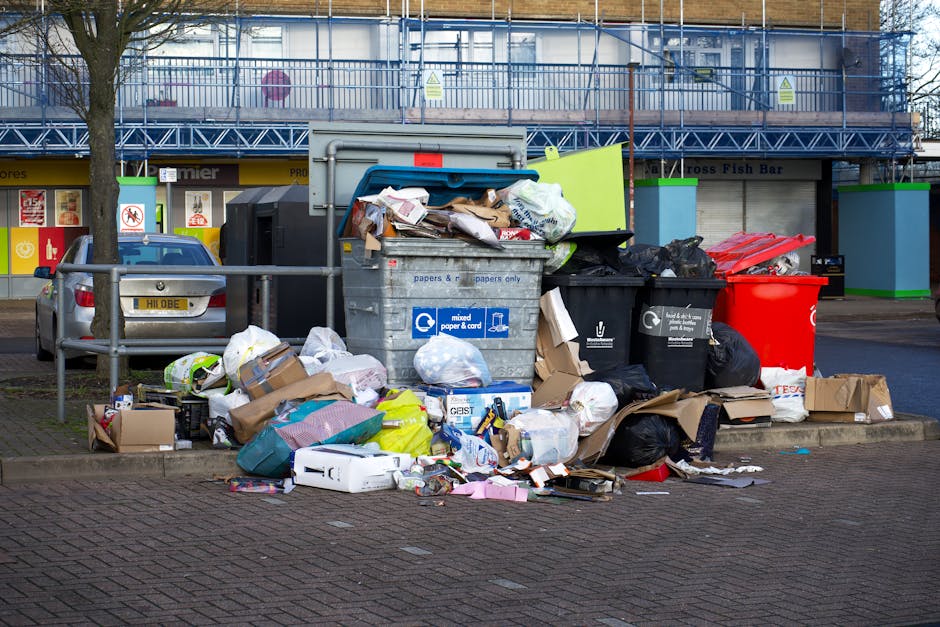
Commercial waste in Hitchin needs a practical, consistent service that keeps business premises clear, compliant and ready for work. Our waste removal support is built around routine collections, one-off clearances and the handling of common non-hazardous commercial items, with a straightforward approach to sorting, loading and responsible disposal. If you are managing an office, shop, workshop or other business space, the aim is to make the process organised from the first enquiry through to collection day.
The core service covers the removal of mixed business waste, bulky items and general unwanted materials that accumulate during trading, refurbishments or day-to-day operations. We can discuss the type of waste, the access to the site and any items that need separating, then shape the work around a clear plan. For business waste removal that is easy to arrange and easy to understand, the service is set up to keep the process simple without cutting corners.
Two details usually help the quotation process move smoothly: the approximate volume of waste and the kind of material involved. If you already know whether the job is a regular collection or a one-off clearance, mention that too. You do not need to produce a perfect inventory before making contact, but a clear description of what needs taking away helps us suggest the most suitable approach and avoid unnecessary delays.
Business waste collections planned around your premises
Regular business waste collections suit organisations that want an orderly way to keep premises tidy without waiting for waste to build up. This can include packaging, cardboard, office clutter, archive material, broken fixtures and other non-hazardous items generated by daily operations. The right collection pattern depends on the type of work your business does, the amount produced and how quickly space needs to be reclaimed. A sensible arrangement reduces disruption while keeping waste movement under control.
Where premises produce mixed waste, the collection plan may need a little sorting before loading. That is especially useful when businesses generate both light recyclables and heavier general rubbish, because separating materials can make the overall process more efficient. If your site has limited loading access, shared entrances or specific times when vehicles can attend, those practical details should be discussed early so the work can be carried out with less interruption to staff and visitors. Business waste removal gives a closer look at this service area.
Useful things to consider before requesting a quotation: whether the waste is bagged or loose, whether there are bulky items among it, and whether the collection is from a ground-floor space, upper floor or external storage area. A clear explanation of access conditions can be as helpful as the waste description itself. If you are comparing services, ask for the scope to be written clearly so the collection arranged is the collection you actually need.
Office clearance and the handling of furniture, files and equipment

Office clearances often involve more than the removal of a few unwanted chairs. Desks, filing cabinets, shelving, computer units, paperwork, meeting-room furniture and reception items can all need to be taken away in a controlled sequence. A well-managed clearance is important where rooms are still in use, where access is tight or where items need to be removed without disturbing other parts of the building. The work is best approached with a practical order rather than as a rushed emptying exercise.
Some office clearances are planned in stages, with items separated according to whether they are to be removed together or handled differently because of size, weight or content. Confidential papers and archive materials should be treated with care, and certain workspaces may require particular attention around cables, screens or heavier furniture. If the clearance includes a mix of reusable and disposable items, that mix can be discussed in advance so that the right resources are set aside for the job. Office clearance explains more about the scope of these removals.
Typical office clearance tasks can include:
- removing desks, chairs and cabinets
- lifting redundant office equipment and fittings
- taking away boxed paperwork, archive materials and general clutter
- clearance of meeting rooms, storage areas and reception spaces
Bulky item disposal for furniture, appliances and fixed spaces
Some jobs are not about a full clearance but about removing a few awkward or bulky items that have reached the end of their useful life. That might include sofas, wardrobes, mattresses, fridges or other heavy household-style objects from commercial premises, rented units or storage areas. Bulky item disposal is useful when an item cannot simply be placed out with ordinary refuse and needs careful handling, lifting and transport.
Where items are large but still movable, it helps to know whether they need disassembly before collection. Furniture with detachable components, integrated shelving or items that have been stored for a long time may need a little more time on site. Furniture disposal and mattress and sofa disposal are both relevant where the removal centres on particular bulky items rather than general waste. If the collection includes mixed objects, describe the lot as clearly as you can so the service can be matched properly.
It is also sensible to mention whether there are staircases, narrow corridors or parking restrictions near the item. Those details affect how the work is planned and help keep handling safe and efficient. For businesses clearing customer areas, storage rooms or staff spaces, a focused bulky-item service can be the most practical option when a full waste removal is not required.
Clearances for storage areas, lofts, garages and similar spaces
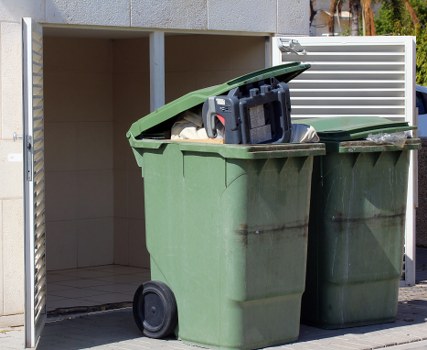
Storage areas tend to gather a mixture of items over time: spare furniture, old stock, broken fittings, archived paperwork, boxes and equipment that is no longer in circulation. Clearance work in these spaces is often about regaining usable room and removing everything in a methodical order. Garage clearance, loft clearance and home clearance pages reflect the kinds of space where a mixed load often builds up, and the same careful approach can be applied to business premises with back rooms or storage units.
A sensible clearance begins with separating what is staying from what is going. That matters when spaces contain a combination of keep items, recyclable materials and general waste. If shelves, cabinets or stored boxes are still in use, they need to be left undisturbed while other items are removed. This is where a measured pace is useful: it allows access routes to remain clear and prevents items from being moved in the wrong order. Flat clearance and house clearance show related clearance categories where the load is varied rather than uniform.
When you request a quotation for a storage-area clearance, include the number of rooms or sections involved, any unusually bulky items and whether there are items stored at height. If some objects are fragile, damp-damaged or stacked tightly together, that is worth mentioning as well. The more accurately the space is described, the easier it is to select the right method and make sure nothing important is overlooked.
Waste removal for refurbishments, fit-outs and light building work
Refurbishment projects often produce a different kind of waste from everyday business activity. Packaging, broken fixtures, old fittings, offcuts and removed furniture can all appear in a short space of time, so the waste stream tends to be varied. Builders waste clearance is suited to that kind of work, particularly where the site needs a collection method that is organised enough for an active workspace but flexible enough for changing material volumes.
For light building or refit jobs, it helps to think about the work in terms of zones: one area may be producing timber and packaging, another may be creating plasterboard-like debris, and another may mainly contain obsolete fittings. Sorting those materials sensibly before loading can make the removal process more efficient. If the job is ongoing rather than a single event, a repeat collection pattern may be more practical than a one-off visit. This allows the site to remain usable while waste is cleared as the work progresses.
Any project involving altered access, temporary barriers or shared occupancy should be described carefully before collection is arranged. We can then plan around the work site rather than forcing the site to adapt around the waste collection. If you need to ask about a combined clearance and collection arrangement, make sure the note includes the kind of materials involved, the stage of the project and whether any items must be left in place for contractors to finish their own work.
Recycling, separation and responsible handling of mixed materials
Many commercial clearances involve a mixture of materials rather than one neat category. Cardboard, wood, metal, plastics, broken fittings and general rubbish may all appear together, and they should not be treated as though they all behave the same way. Recycling and sustainability explains the approach to sorting materials where recycling is relevant, while the service itself focuses on practical removal and sensible handling of the load presented.
Separation matters because it can affect how a collection is prepared and where different items are directed afterwards. Mixed loads need to be checked carefully so that the removal remains compliant with the type of waste being collected. That is particularly important where a business may be disposing of packaging alongside office items, or storage clutter alongside heavier fittings. A balanced approach does not mean overcomplicating the job; it simply means treating each waste stream with the attention it needs.
If your business already separates waste on site, mention that when you ask for a quotation. If it does not, that is fine too. The key point is to describe the current arrangement honestly so the collection can be planned accurately. A clear note about what is recyclable, what is bulky and what is general waste gives the service a better chance of running smoothly from start to finish.
About Hitchin
Hitchin is a historic market town in North Hertfordshire, set close to the edge of the Chilterns and shaped by a long relationship with trade, agriculture and later rail transport. Its centre still reflects an older market pattern, with narrow streets, a traditional town layout and a mixture of timber-framed, Georgian and Victorian buildings. The market remains a familiar part of the town’s character, and the central streets support a lively mix of independent shops, cafés and local services. St Mary’s Church, one of the most prominent landmarks, stands beside the town centre and is widely recognised for its scale and setting. Hitchin’s public spaces also include Memorial Fountain and the open areas around Bancroft and the Market Place, which help define the character of the core streets. Outside the centre, the town has a more residential edge with parks, schools and playing fields woven into the wider settlement. Hitchin Lavender, just beyond the town, has become well known as a seasonal landscape destination, while the nearby River Hiz and local green corridors add a softer edge to the built-up area. Rail connections gave the town an important commuting role in the modern era, but Hitchin still retains a distinct local identity tied to its market history, architecture and civic life. The result is a place where the older town centre, surrounding neighbourhoods and accessible countryside sit closely together, giving Hitchin a character that feels both settled and active.
Furniture disposal and item-specific removal
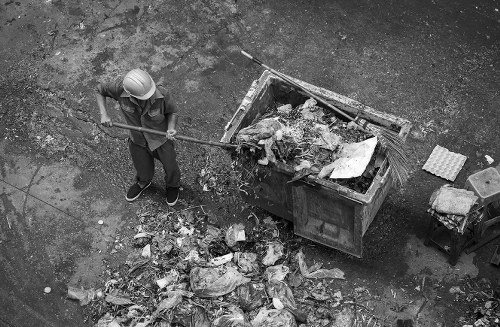
Furniture disposal is often the simplest way to deal with items that are no longer needed, but the work still benefits from a considered approach. Large cabinets, tables, shelving, office seating and domestic-style pieces used in commercial environments can all be taken away as part of a clear item-specific collection. Where a room contains only a handful of pieces, this can be more efficient than arranging a larger clearance that includes everything else in the space.
Item-specific removals are useful when a business is changing layout, replacing worn furnishings or clearing a room for another purpose. If furniture is awkward to move, partly dismantled or stored in a tight space, that should be made clear at the outset. Furniture clearance is a useful related page where the load is made up mainly of furniture rather than mixed waste. For collections involving both furniture and other refuse, it is usually best to describe the full mix so the quotation reflects the work accurately.
Helpful details for furniture jobs include the number of pieces, whether they are stacked or assembled, and whether any item is particularly heavy or fragile. Those points help avoid confusion on the day and make the removal more straightforward. If some items must stay on site while others are taken, mention that clearly so the scope stays focused on the right objects.
Confidential material, specialist items and waste that needs extra care
Not all commercial waste is equally straightforward. Some material may be sensitive, some may need additional handling and some may simply be awkward because of weight, shape or condition. Confidential shredding is relevant where paper records or sensitive documents need secure destruction rather than ordinary removal. Other items, including appliances or materials that should not be mixed with general rubbish, require a more careful approach to collection and disposal.
Specialist categories are best separated from the main waste stream before the job begins. That helps prevent confusion and ensures the right handling route is used for each type of material. If you are dealing with fridge units, for example, they need to be listed separately from furniture or boxed waste. Likewise, any material that might be classed as hazardous should be identified clearly rather than left buried in a general description. Fridge and appliance removal and hazardous waste disposal are the pages to review when those specialist categories are part of the job.
If you are unsure whether an item belongs in a general collection or a specialist one, say so when you ask for a quotation. It is better to flag uncertainty than to assume a container or item can be handled as ordinary waste. That sort of careful description helps keep the service accurate and avoids last-minute changes.
Pricing factors, access and how to request a quotation
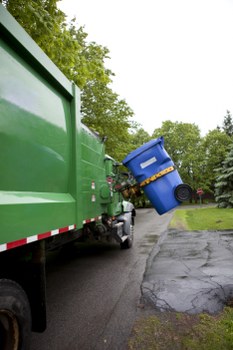
Price is usually shaped by a small group of practical factors rather than a single fixed rule. The amount of waste, the type of material, access to the premises, the time required on site and whether any items need special handling can all influence the final quotation. A mixed load may take longer to sort than a straightforward one, and tight access can make lifting and loading slower. That is why accurate descriptions are more useful than broad estimates when you are asking for a price.
To keep the enquiry efficient, explain the service you need, the location of the waste, the main item types and anything unusual about access or timing. If you have photographs or a rough inventory, they can help confirm the scope, but they are not a substitute for a clear written description. You only need to provide enough information for the work to be understood properly. If you are ready to move ahead, pricing and quotes is the best page for the next step. Request a quotation today.
For a simple enquiry, a few details are enough: what needs removing, where it is located and whether it is a one-off or a repeat collection. If the job combines several categories, list them in order of importance so the main service can be matched correctly. When the scope is clear, the quotation process becomes more direct, and you can make a decision based on a properly described service rather than a guess.