Speedy garden rubbish clearance for Walsworth homes
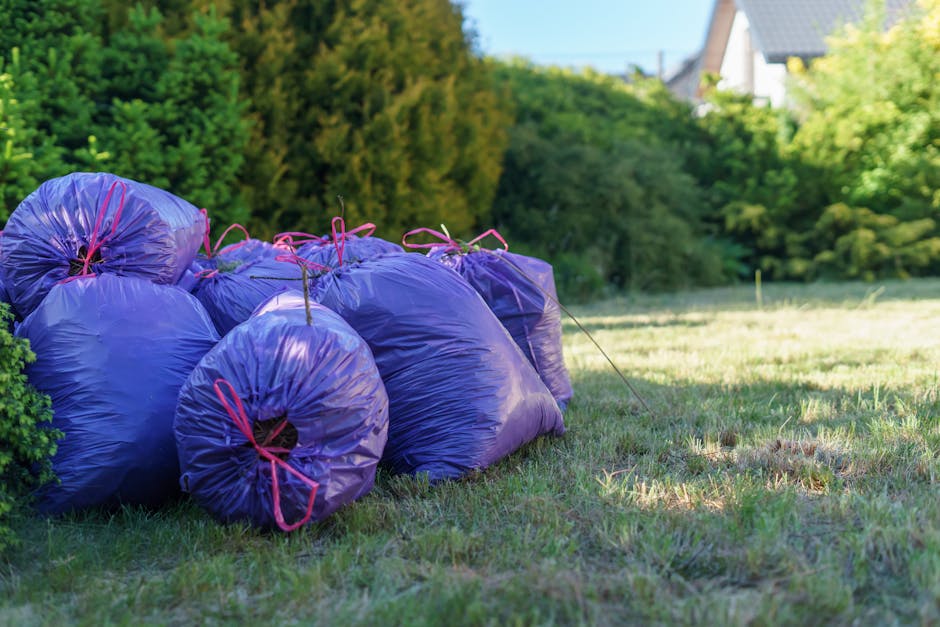
If your garden has slipped from "nice place to sit with a cuppa" to "where did all this come from?", you are not alone. A pile of broken fencing, cut branches, old plant pots, and bagged soil can build up quickly, especially after a weekend of pruning or a big clear-out. Speedy garden rubbish clearance for Walsworth homes is the practical way to get that mess shifted without turning your driveway into a storage yard for a week. It is fast, tidy, and surprisingly straightforward when it is handled properly.
This guide explains what garden rubbish clearance involves, how the process works, what to watch out for, and how to make the whole job smoother from start to finish. If you want a cleaner outdoor space without the faff, you are in the right place.
- Why it matters
- How it works
- Key benefits
- Who it is for
- Step-by-step guidance
- Expert tips
- Common mistakes
- Tools and resources
- Compliance and best practice
- Options and comparison
- Real-world example
- Practical checklist
- Conclusion
- Frequently asked questions
Why Speedy garden rubbish clearance for Walsworth homes Matters
A garden can become cluttered almost without you noticing. One weekend you trim hedges, another you pull weeds, and then there is a heap of green waste, some timber offcuts, a rusted table, and a couple of cracked planters that you meant to deal with "soon". Suddenly, the space feels smaller, less usable, and a bit irritating every time you glance outside.
For Walsworth homes, speedy clearance matters because it restores order quickly. That is not just about appearances. A tidier garden is easier to use, easier to maintain, and less likely to attract pests or cause trips and scrapes. It also helps if you are preparing for a family gathering, planning a sale, or simply trying to reclaim a patch of outside space after winter.
Truth be told, most people do not need a grand landscaping project. They need the rubbish gone. Fast.
It also saves a lot of back-and-forth. Instead of filling your car boot several times, waiting for local disposal slots, or leaving waste to sit through another damp spell, a proper clearance service can remove the load in one visit. That kind of convenience becomes very real when the garden is muddy, the wind is up, and the pile seems to be growing on its own.
For homeowners who value a neat boundary, safe paths, and an outdoor space that feels usable again, quick garden waste removal is less of a luxury and more of a sensible reset.
How Speedy garden rubbish clearance for Walsworth homes Works
The process is usually simpler than people expect. In most cases, you describe what needs removing, agree the scope, and book a collection time. The team then arrives, loads the waste, and takes it away for sorting, recycling, or disposal. Nice and clean, if done well.
Garden rubbish clearance typically covers a mix of green waste and general outdoor clutter. That can include branches, hedge cuttings, leaves, turf, old sheds or shed panels, fencing, broken garden furniture, plant pots, bags of soil, and similar materials. Some items may need separate handling, especially if they contain hazardous components or mixed materials.
A good service will usually check access first. That matters more than many people realise. Narrow side passages, rear access through the house, sloped paths, or heavy wet waste can all affect how the job is managed. If your garden sits at the back of a terraced or semi-detached property, the loading route may be the difference between a smooth half-hour job and a slightly awkward one. Not a disaster, just something to plan for.
If you are comparing options, it can help to think beyond the bin bags and ask what kind of rubbish is involved. Green waste, bulky waste, and mixed garden junk may be handled differently. For some homes, a dedicated garden clearance service is the easiest fit. For broader household overflows, home clearance or house clearance may make more sense if the outdoor clutter is part of a bigger project.
Key Benefits and Practical Advantages
There is a reason speedy garden rubbish clearance feels instantly satisfying. You remove the visual clutter, the practical obstacles, and a fair amount of low-level stress in one move.
- Faster use of the garden: Once the waste is gone, the patio, lawn, or border becomes usable again.
- Better presentation: A clear garden makes the whole property look more cared for, which is handy if visitors are coming round or a sale is on the horizon.
- Less physical strain: Moving wet branches, soil, and heavy rubble can be awkward and tiring. A professional team saves your back, which is no bad thing.
- Reduced trip hazards: Scattered timber, metal scraps, and stacked bags create risks, especially where children or older relatives use the space.
- Cleaner workflow for further garden work: If you are replanting, laying turf, or replacing fencing, clearing the rubbish first makes everything easier.
- More predictable disposal: Instead of wondering where it should all go, you can rely on a clear process.
There is also a quiet emotional benefit. A cluttered garden can make you feel behind on everything, even if the rest of the house is fine. Once the rubbish is removed, the place often feels calmer. You may notice the smell of damp soil, the sound of birds, and the simple fact that you can actually stand back and see the space again. It is a small thing, but it counts.
Who This Is For and When It Makes Sense
This kind of service suits a wide range of Walsworth homeowners. It is not only for people with huge gardens or major renovation plans. In fact, many calls come from fairly ordinary households that have just accumulated more than they can comfortably deal with.
You might need speedy garden rubbish clearance if:
- you have finished pruning, cutting, or hedge trimming and the waste is sitting in bags or piles
- you have removed old fencing, decking, or broken sheds
- you are preparing for a garden makeover or seasonal tidy-up
- you have inherited an overgrown garden that needs a clean start
- you are clearing a property after a tenant, family member, or previous owner has left outdoor clutter behind
- you want the garden safe and presentable before hosting people
It also makes sense when your own tools or vehicle are not up to the job. A few bags of hedge cuttings are one thing. A full load of wet soil, rotting timber, and broken garden furniture is another. To be fair, not every job deserves a heroic DIY effort.
Homeowners often use this service alongside other clearance needs. If the garage has become a catch-all, a garage clearance can be combined with the outdoor work. If you are tackling furniture left in a conservatory or lean-to, furniture clearance or furniture disposal may be relevant too.
Step-by-Step Guidance
If you want the process to run smoothly, it helps to treat it like a small project rather than a vague job "for later". Here is a simple way to manage it.
- Walk the garden and sort the waste into types. Separate green waste, timber, metal, broken furniture, and anything that looks unusual or potentially hazardous.
- Identify access points. Check the gate width, path condition, and whether items can be carried out without damaging plants or fencing.
- Take a few clear photos. This is useful if you are asking for a quote or just want to make sure the scope is understood. One wide shot and a couple of close-ups usually do the trick.
- Remove anything you want to keep. Sounds obvious, but people do occasionally leave a good planter or garden light in the wrong pile. Annoying later.
- Ask about loading and sorting. It is worth knowing whether the waste will be taken as mixed material or separated for recycling.
- Book a time that suits the work. If access is tighter during school runs, deliveries, or parking pressure, factor that in.
- Clear a route. Move bicycles, hosepipes, toys, and pots out of the way so the team can work cleanly.
- Do a final sweep. Before anyone starts loading, quickly check for anything hidden under leaves or tarps.
If you are comparing removal methods, a broader waste removal service may be appropriate where the garden waste is only one part of a larger clear-out. If you are unsure what can go together, it can also help to review what can go in a skip so you know where the practical boundaries are.
Expert Tips for Better Results
A good clearance job is not just about speed. It is about making the removal clean, safe, and efficient. A few small choices can make a big difference.
1. Keep the waste as dry as possible. Wet garden waste is heavier and messier to handle. If the weather turns, covering piles with a tarp can save time and reduce sludge underfoot. On a damp Tuesday morning, that matters more than people think.
2. Put sharp or awkward items on top. Broken trellis, metal edging, and jagged timber should be visible, not buried. It helps avoid injuries and speeds up sorting.
3. Be realistic about volume. A few overfilled bags can look manageable until you move them all at once. If there is a lot more than expected, be honest upfront. Everyone has a better day that way.
4. Separate recyclable materials where practical. Clean timber, untreated branches, and metal items are often easier to handle when not mixed with soil or general rubbish.
5. Leave access as open as possible. Even a small improvement, like moving bins or folding a garden table, can save time on site.
6. Think ahead if more work is coming. If you are planning landscaping, turfing, or a fence replacement, schedule the clearance just before the main work starts. That keeps the site clear and avoids double handling.
7. Ask how the waste will be managed. Reputable services should be transparent about disposal and recycling practices. If sustainability matters to you, that conversation is worth having.
Expert summary: The quickest garden clearances are usually the ones prepared with a little care before the team arrives. Clear access, sorted waste, and realistic expectations save time, cost, and a fair amount of hassle.
Common Mistakes to Avoid
Garden rubbish clearance looks easy on the surface, which is exactly why people sometimes misjudge it. A few avoidable mistakes can slow everything down or create extra cost.
- Mixing everything together: Soil, green waste, broken glass, and metal offcuts all in one pile can make handling more complicated.
- Leaving waste scattered around the garden: A loose spread of small items takes longer to collect than a few well-placed piles or bags.
- Ignoring access issues: If there is no space for loading, the job may take more time than expected.
- Assuming all garden waste is the same: Some items need special care, especially if they include chemicals, paint containers, or treated materials.
- Forgetting about hidden weight: Soil, turf, and wet cuttings can be far heavier than they look.
- Trying to move risky waste yourself: Heavy broken slabs or rusty metal panels can be awkward and unsafe.
One common example is the "it's only a few bags" assumption. Then you open the shed, find three old benches, two collapsed fence panels, and a pile of pots with hard-set compost. Happens all the time, honestly.
The fix is simple: assess the whole job first, then choose the right level of support. If the garden is part of a broader property tidy-up, services like home clearance or even house clearance may be more efficient than dealing with the outside waste in isolation.
Tools, Resources and Recommendations
You do not need specialist equipment to prepare for garden rubbish collection, but a few basic tools help. Nothing flashy. Just sensible kit that keeps the job tidy.
- Heavy-duty bags: Useful for leaves, trimmings, and smaller mixed waste.
- Tarpaulin: Helps keep piles together and reduces mess if the weather is wet.
- Gloves: Better grip and better protection, especially with thorns or splinters.
- Wheelbarrow or sack barrow: Handy for moving heavier waste to a single pickup point.
- Pruning shears and loppers: Useful if you are finishing the tidy-up before collection.
- Basic sweeping tools: Good for patios, paths, and gravel edges after the main rubbish is removed.
For customer decision-making, a few pages on the site can help with planning. The pricing and quotes page is useful if you want to understand how estimates are usually put together. If you care about responsible disposal, the recycling and sustainability page is a sensible place to look next. And if you want to move quickly, book online gives you a straightforward route to arrange the job.
For service background and company standards, the about us page and the insurance and safety information can help reassure anyone who wants to check the basics before they book. That reassurance matters. It really does.
Law, Compliance, Standards, or Best Practice
Garden rubbish clearance is not just a matter of lifting and loading. In the UK, waste has to be handled responsibly, and homeowners should be careful about who they hand it to. You do not need to become an expert in waste law, but you do need enough awareness to avoid messy problems later.
Best practice means making sure waste is passed to a legitimate collector, handled safely, and taken to appropriate facilities. If waste is fly-tipped after being collected by an untrustworthy operator, the original householder can end up with a headache they never asked for. That is why checking credentials, service terms, and disposal approach is sensible, not fussy.
Some garden waste also needs special handling. Items that contain chemicals, oils, fuel residues, asbestos, or other hazardous substances should not be treated like ordinary green waste. If you have anything unusual tucked away in the shed or behind the garage, it is better to flag it early and ask how it should be handled. For that sort of material, hazardous waste disposal is the safer reference point.
There is also a practical safety angle. Manual handling, sharp edges, dust, mould, and unstable piles all create risk. A proper team should work with sensible lifting practices, clear routes, and protective equipment where needed. If you like checking the standard before you commit, health and safety policy and terms and conditions are worth reading carefully.
One small but important point: if your garden clearance is tied to larger household work, such as moving furniture out of a conservatory or clearing the loft beforehand, it can be more efficient to coordinate the job. Services like loft clearance and mattress and sofa disposal may become relevant in the same visit. That sort of joined-up planning saves time and keeps the whole property moving forward.
Options, Methods, or Comparison Table
There is more than one way to deal with garden rubbish, and the right option depends on how much waste you have, how quickly you need it gone, and how much effort you want to spend yourself.
| Method | Best for | Pros | Limitations |
|---|---|---|---|
| DIY bagging and tip runs | Small amounts of green waste | Low direct cost, flexible timing | Time-consuming, multiple trips, lifting heavy waste |
| Skip hire | Larger, ongoing garden projects | Good for gradual loading, useful on longer jobs | Needs space, permit considerations, not ideal if you want everything gone quickly |
| Man and van style clearance | Mixed garden rubbish and bulky items | Fast collection, loading included, less effort for the homeowner | Depends on access and waste type, may not suit very tiny jobs |
| Combined property clearance | Garden waste plus indoor clutter | Efficient for whole-home projects, one coordinated visit | May be more than you need for simple green waste only |
If the main need is speed, and the pile includes awkward mixed rubbish, a direct clearance visit is often the most practical choice. If the garden is being remodelled over several days, a skip may suit better. If you are only dealing with a few bags of leaves, doing it yourself could still be perfectly reasonable. Different jobs, different answers. Simple as that.
Case Study or Real-World Example
Imagine a typical Walsworth rear garden after a wet spring clean-up. There is a heap of hedge cuttings by the fence, a broken wooden bench near the patio, several bags of old compost, and a patch of turf that was lifted during a small border redesign. Nothing dramatic. Just enough to make the garden feel unfinished.
The homeowner wants the space ready for a weekend barbecue, but does not want to spend three evenings breaking everything down into car-load-sized chunks. So the waste is grouped into manageable piles, access is cleared along the side path, and the collection is arranged for a single morning slot.
On arrival, the team can move through the work efficiently because the waste is already organised. The heavier timber goes first, then the green waste, then the mixed bags. By late morning, the patio is visible again, the lawn edges are clear, and the whole garden looks bigger. Not because anything magical happened. Just because the rubbish is gone.
That is the real value of speedy garden rubbish clearance for Walsworth homes: it turns a lingering, slightly annoying job into a quick reset. The sort of reset you notice immediately when you step outside with your first coffee of the day.
Practical Checklist
Use this checklist before your collection day. It keeps the process calm and reduces the chance of awkward surprises.
- Walk the whole garden and identify every waste pile
- Separate green waste from bulky or mixed rubbish where possible
- Remove anything you want to keep
- Check gates, paths, and side access for obstacles
- Cover piles if rain is forecast
- Place heavier items where they are easy to reach
- Flag any unusual items, sharp waste, or potentially hazardous materials
- Have photos ready if you are requesting a quote
- Make sure pets and children are kept clear during loading
- Do a final sweep once the waste has gone
Quick reminder: if it looks like more than one person can comfortably carry in one go, it probably is. That little rule saves a lot of strain.
Conclusion
Speedy garden rubbish clearance for Walsworth homes is really about getting your outdoor space back without unnecessary delay, confusion, or heavy lifting. Whether you are dealing with hedge trimmings, broken garden furniture, old fencing, or a general backyard pile-up, the right approach is to sort the waste, keep access clear, and use a service that handles removal responsibly.
The best results come from a bit of preparation and a clear idea of what needs shifting. That way, the job stays quick, the space is left tidy, and you can get on with the part you actually enjoy: using the garden rather than wrestling with it.
Get a free quote today and see how much you can save.
And once the clutter is gone, the garden has a lovely way of reminding you what it was meant to be in the first place: a proper bit of breathing room.
Frequently Asked Questions
What counts as garden rubbish clearance?
It usually covers the removal of garden waste and outdoor clutter such as branches, hedge cuttings, leaves, bags of soil, old fencing, broken furniture, plant pots, and similar items. If something is heavy, awkward, or mixed-material, it may need a closer look.
How quickly can garden rubbish be removed in Walsworth?
That depends on access, volume, and the type of waste, but speedy collections are often arranged quite quickly when the job is straightforward. The more clearly you describe the waste, the easier it is to plan a prompt visit.
Can green waste and bulky rubbish be taken together?
Often yes, although the way it is handled may vary depending on the mix of materials. Clean green waste is easier to process than soil-heavy or contaminated loads, so it helps to separate things where you can.
Do I need to bag the garden waste before collection?
Not always, but bagging loose waste can make the job neater and faster. It is especially useful for leaves, small cuttings, and lightweight debris. Heavier items like timber or broken panels may be better left as accessible piles.
Is garden rubbish clearance cheaper than hiring a skip?
It depends on the size of the load and how much labour is involved. For some mixed or bulky jobs, a clearance service may be more practical because loading is included. For longer projects with a lot of waste added over time, a skip can sometimes make more sense.
What should I do with hazardous items in the garden?
Do not mix them with ordinary waste. Anything involving chemicals, fuel, oils, or other risky substances should be separated and discussed in advance. If you are unsure, ask before collection so the material is handled properly.
Can you clear a garden if access is tight?
Often yes, but access matters. Narrow paths, steep steps, or rear gardens can affect how the job is carried out. A few photos and a clear description usually help the team judge the best approach before arriving.
Will the waste be recycled?
That depends on the material, but responsible services aim to separate recyclable items where possible. Green waste, metal, and clean timber are often better candidates for recovery than contaminated mixed loads.
What if I have more than just garden waste?
That is quite common. Many homeowners combine garden rubbish with garage clutter, old furniture, or general house items. In those cases, broader services like garage clearance or home clearance may be more efficient.
Do I need to be home during the clearance?
Usually yes, or at least available for access and a quick check at the start. It helps to confirm exactly what is being removed and makes the handover smoother. That said, the practical arrangements can vary depending on the job.
How do I prepare my garden for a fast collection?
Group the waste, clear a route, remove anything you want to keep, and flag anything unusual. A few minutes of preparation can cut a surprising amount of time off the job. It is one of those small jobs that pays you back immediately.
Is it worth clearing the garden before other home projects?
Yes, usually. Clearing the garden first makes landscaping, painting fences, laying turf, or replacing outdoor fixtures much easier. You get a blanker canvas, which is always helpful when the work starts to pile up.
For more on company details, service standards, or how to arrange your collection, you can also look at the contact us page and the about us page. If you want to understand the practical side of disposal and sustainability, the recycling and sustainability page is a useful next stop.